Exploring the realm of energy-efficient HVAC systems for eco-friendly interiors, this guide delves into the importance, design considerations, technology innovations, and maintenance practices that contribute to sustainable indoor environments.
Importance of Energy-Efficient HVAC Systems
Energy-efficient HVAC systems play a crucial role in creating eco-friendly interiors by reducing energy consumption and minimizing the environmental impact of buildings. These systems are designed to optimize performance while using less energy, resulting in lower utility costs and a smaller carbon footprint.
Key Features of Energy-Efficient HVAC Systems
- High Seasonal Energy Efficiency Ratio (SEER) or Energy Efficiency Ratio (EER) ratings
- Variable speed motors for precise control and reduced energy usage
- Zoning capabilities to heat or cool specific areas only when needed
- Programmable thermostats for scheduling and optimizing energy usage
- Proper insulation and ductwork to prevent energy loss
Contributions to Sustainability in Indoor Environments
Energy-efficient HVAC systems contribute to sustainability by promoting a healthier indoor environment and reducing greenhouse gas emissions. These systems help maintain consistent temperatures, humidity levels, and air quality, creating a comfortable and productive space for occupants. By using less energy and operating more efficiently, energy-efficient HVAC systems support the overall sustainability goals of a building or home.
Design Considerations for Eco-Friendly Interiors
When designing eco-friendly interiors, it is essential to consider how energy-efficient HVAC systems can be seamlessly integrated to maximize sustainability. The placement of HVAC systems plays a crucial role in optimizing energy efficiency, while also considering the overall design aesthetics and functionality of the space.
Additionally, incorporating natural ventilation strategies can complement energy-efficient HVAC systems, further reducing the environmental impact of the building.
Integration of Energy-Efficient HVAC Systems
When designing eco-friendly interiors, it is important to choose HVAC systems that are energy-efficient and environmentally friendly. Opt for systems that have high energy efficiency ratings and are designed to minimize energy consumption. Additionally, consider integrating smart HVAC controls that can optimize energy usage based on occupancy and temperature settings.
Optimizing HVAC System Placement
The placement of HVAC systems within a building can greatly impact their energy efficiency. To maximize efficiency, place HVAC units in shaded areas to reduce heat gain and minimize the workload on the system. Additionally, ensure that the layout of the space allows for proper airflow and ventilation to enhance the overall performance of the HVAC system.
Natural Ventilation Strategies
Incorporating natural ventilation strategies, such as operable windows and skylights, can work in synergy with energy-efficient HVAC systems to reduce the reliance on mechanical cooling and heating. By allowing fresh air to circulate naturally, the indoor air quality can be improved and energy consumption can be further minimized.
Consider utilizing building orientation and landscaping to promote natural ventilation and enhance the overall comfort of the space.
Technology Innovations in Energy-Efficient HVAC Systems
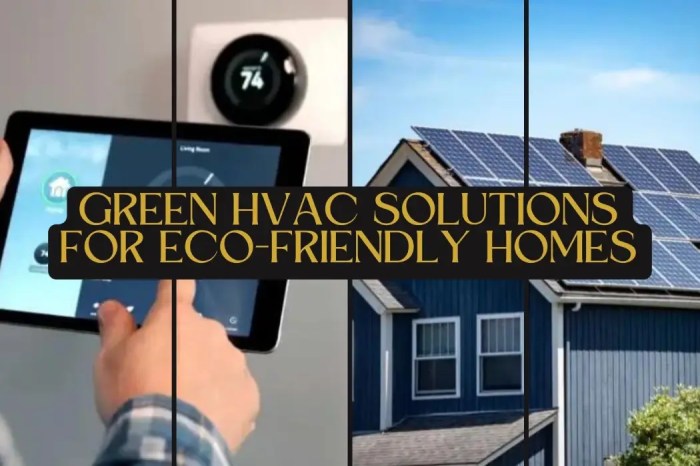
Energy-efficient HVAC systems have seen significant advancements in technology to improve performance and reduce energy consumption. Let's explore some cutting-edge technologies used in these systems and their impact on indoor environments.
Variable Refrigerant Flow (VRF) Systems
VRF systems are a modern alternative to traditional HVAC systems that offer precise control over heating and cooling in different zones of a building. By adjusting the refrigerant flow based on the specific requirements of each area, VRF systems can optimize energy usage and maintain comfortable indoor temperatures efficiently.
Smart Thermostats and Controls
Smart thermostats and controls have revolutionized the way HVAC systems operate by enabling remote monitoring and adjustment of temperature settings. These devices can learn user preferences, adjust settings automatically, and optimize energy usage based on occupancy patterns. By integrating with building management systems, smart controls can provide valuable insights for optimizing energy efficiency.
Heat Recovery Ventilation (HRV) Systems
HRV systems are designed to recover and reuse heat energy from exhaust air to preheat incoming fresh air, reducing the load on heating systems. By recovering heat that would otherwise be wasted, HRV systems help improve energy efficiency and indoor air quality by ensuring proper ventilation while minimizing energy loss.
Ductless Mini-Split Systems
Ductless mini-split systems offer a flexible and efficient solution for heating and cooling individual rooms or zones without the need for ductwork. By eliminating duct losses, these systems can improve energy efficiency and provide targeted comfort control in spaces with varying heating and cooling needs.
Advanced Air Filtration Technologies
Advanced air filtration technologies, such as HEPA filters and UV germicidal lights, help improve indoor air quality by capturing and eliminating airborne contaminants. By removing pollutants and allergens from the air, these technologies not only enhance occupant comfort but also contribute to a healthier indoor environment.
Maintenance and Optimization of Energy-Efficient HVAC Systems
Energy-efficient HVAC systems require regular maintenance and optimization to ensure they operate at peak efficiency for the long term. By following best practices and implementing proper cleaning and servicing routines, the performance of eco-friendly HVAC systems can be significantly enhanced.
Monitoring energy consumption and system efficiency is crucial in optimizing HVAC operations and maximizing energy savings.
Best Practices for Maintaining Energy-Efficient HVAC Systems
Regular maintenance is key to preserving the efficiency of energy-efficient HVAC systems. Here are some best practices:
- Change air filters regularly to ensure proper airflow and minimize energy consumption.
- Inspect and clean coils, fans, and ductwork to prevent dust and debris buildup that can obstruct airflow.
- Check refrigerant levels and ensure there are no leaks to maintain optimal system performance.
- Calibrate thermostats and controls to ensure accurate temperature regulation and minimize energy wastage.
Enhancing Performance with Regular Servicing and Cleaning
Regular servicing and cleaning routines play a vital role in enhancing the performance of eco-friendly HVAC systems. Here's how:
- Professional servicing helps identify and address any issues before they escalate, ensuring smooth operation.
- Cleaning components like coils and filters can improve system efficiency and airflow, reducing energy consumption.
- Regular maintenance can extend the lifespan of HVAC systems, maximizing their energy-saving potential in the long run.
Importance of Monitoring Energy Consumption and System Efficiency
Monitoring energy consumption and system efficiency is essential for optimizing HVAC operations and maximizing energy savings. Here are some reasons why:
- Identifying energy spikes or inefficiencies can help pinpoint areas for improvement and potential cost savings.
- Tracking system performance over time allows for adjustments to be made to enhance efficiency and reduce energy waste.
- Regular monitoring ensures that energy-efficient HVAC systems continue to operate at peak performance levels, delivering optimal comfort while minimizing environmental impact.
Final Summary
In conclusion, embracing energy-efficient HVAC systems not only benefits the environment but also enhances the overall quality of indoor spaces. By prioritizing sustainability and optimizing system efficiency, we pave the way for a greener future.
FAQ Summary
How do energy-efficient HVAC systems benefit eco-friendly interiors?
Energy-efficient HVAC systems reduce energy consumption, lower utility costs, and minimize environmental impact by optimizing heating, ventilation, and air conditioning processes.
What are some key features of energy-efficient HVAC systems?
Key features include variable speed motors, programmable thermostats, zoning capabilities, and high SEER ratings for efficient cooling and heating.
How can natural ventilation complement energy-efficient HVAC systems?
Natural ventilation can be used strategically to enhance airflow, reduce the workload on HVAC systems, and improve indoor air quality, creating a healthier environment.
What are some cutting-edge technologies used in energy-efficient HVAC systems?
Examples include geothermal heat pumps, solar-powered HVAC systems, and smart controls that optimize energy usage based on real-time data.
Why is monitoring energy consumption important for optimizing HVAC operations?
Monitoring energy consumption helps identify inefficiencies, track performance trends, and make informed decisions to improve system efficiency and reduce costs.