Embark on a journey through the realm of custom home exteriors, where creativity meets functionality to transform houses into unique works of art. From design elements to color schemes, this guide delves into the intricate details that elevate the exterior aesthetics of homes.
What are Custom Home Exteriors?
Custom home exteriors refer to the unique and personalized design elements and features on the outside of a home that are tailored to the homeowner's preferences. This includes choices in materials, colors, architectural styles, landscaping, and other exterior details that set the home apart from others in the neighborhood.
Significance of Customizing Home Exteriors
Customizing the exterior of a home allows homeowners to showcase their individuality and personal style. It provides an opportunity to create a distinct look that reflects their taste and preferences, making the home truly their own.
Enhancing Curb Appeal with Custom Home Exteriors
Custom home exteriors can significantly enhance the curb appeal of a property. By adding unique design elements and features, such as decorative trim, specialty siding, custom windows, or a distinctive front door, the home can stand out and make a memorable first impression on visitors and potential buyers.
Design Elements for Custom Home Exteriors
When it comes to custom home exteriors, several key design elements play a crucial role in creating a unique and visually appealing look for a house. These elements include the choice of materials, architectural styles, colors, textures, and more. Let's delve into the specifics of how these design elements contribute to the overall aesthetics of a custom home exterior.
Role of Materials in Customizing the Exterior of a Home
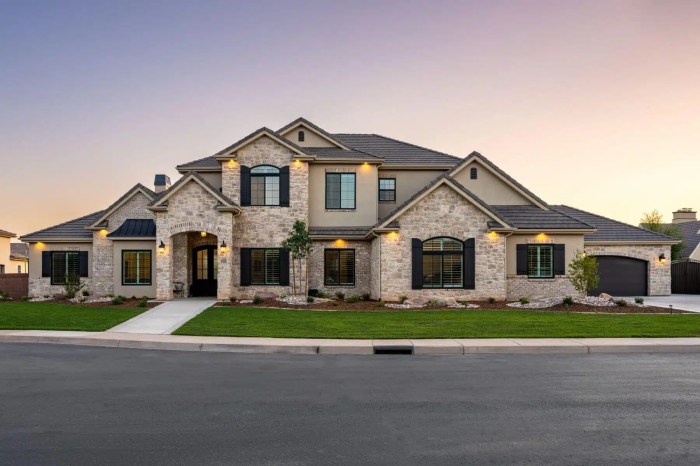
The materials used in custom home exteriors play a significant role in defining the overall look and feel of the house. Different materials such as brick, stone, wood, vinyl, stucco, metal, and fiber cement offer unique textures, colors, and durability.
The choice of materials can help create a specific architectural style, whether it's modern, traditional, rustic, or contemporary. For example, using natural stone cladding can give a home a luxurious and elegant appearance, while wood siding can add warmth and charm to the exterior.
Architectural Styles Influence Custom Exterior Designs
Architectural styles heavily influence custom exterior designs, dictating the overall aesthetic and structural elements of a home. Whether it's a colonial, craftsman, farmhouse, Mediterranean, modern, or Victorian style, each architectural style comes with its own set of design principles, features, and characteristics.
For instance, a modern home exterior typically features clean lines, large windows, and minimalistic design elements, while a farmhouse style exterior may incorporate gable roofs, board and batten siding, and front porches. By aligning the design elements with a specific architectural style, homeowners can achieve a cohesive and harmonious custom exterior that reflects their personal taste and preferences.
Color Schemes and Finishes
When it comes to custom home exteriors, color schemes and finishes play a crucial role in defining the overall aesthetic appeal of the property. Let's explore some popular options and how they can impact the look of a home.
Popular Color Schemes
- Neutral Tones: Shades of white, beige, gray, and taupe are timeless choices that can give a home a classic and elegant look.
- Bold and Vibrant Colors: Opting for vibrant hues like teal, navy blue, or even a pop of red can add personality and make a statement.
- Earthy Tones: Colors inspired by nature such as olive green, terracotta, or warm browns can create a harmonious and inviting feel.
Different Finishes
Choosing the right finish can also significantly impact the appearance of your custom home exterior. Here are some common options:
- Matte Finish: Provides a flat, non-reflective surface that can give a modern and sophisticated look.
- Gloss Finish: Reflects light and adds a shiny, polished appearance to surfaces, creating a sleek and luxurious feel.
- Textured Finish: Offers a tactile element to the exterior, adding depth and visual interest to the overall design.
Impact of Color and Finish Choices
The color scheme and finish of a custom home exterior can greatly impact the curb appeal, style, and perceived value of the property. By selecting the right combination, you can enhance architectural features, create visual interest, and showcase your personal taste and style.
Exterior Features and Additions
When customizing a home's exterior, there are various features and additions that can be incorporated to enhance both functionality and aesthetics. These elements play a crucial role in defining the overall look and feel of a custom home.
Common Exterior Features
- Porches and Decks: Adding a porch or deck can provide additional outdoor living space and improve the curb appeal of the home.
- Exterior Lighting: Strategically placed lighting fixtures can enhance the safety and security of the property while also creating a welcoming ambiance.
- Landscaping and Gardens: Well-designed landscaping and gardens can complement the architecture of the home and add natural beauty to the exterior.
- Roofing Materials: Choosing unique roofing materials like metal, tile, or wood can give the home a distinct look and improve durability.
Incorporating Unique Additions
Adding unique additions to a custom home exterior involves working closely with designers and architects to ensure that the new elements seamlessly blend with the existing structure. This process may include sketching designs, selecting materials, and obtaining necessary permits.
Benefits of Exterior Features
- Enhanced Curb Appeal: Custom exterior features can significantly enhance the curb appeal of a home, making it stand out in the neighborhood.
- Increased Functionality: Features like outdoor kitchens, fire pits, and swimming pools can enhance the functionality of the exterior space, allowing for more enjoyable outdoor living.
- Personalization: Customizing exterior features allows homeowners to express their unique style and preferences, creating a home that truly reflects their personality.
Sustainability and Energy Efficiency
When it comes to custom home exteriors, integrating sustainable practices and focusing on energy efficiency are essential aspects to consider. Not only do these elements contribute to a healthier environment, but they also provide long-term cost savings for homeowners.
Sustainable Practices in Custom Home Exteriors
Implementing sustainable practices in custom home exteriors involves using eco-friendly materials, optimizing energy usage, and reducing waste. Here are some ways to achieve sustainability:
- Choose materials with high recycled content, such as reclaimed wood or recycled metal, to reduce environmental impact.
- Install energy-efficient windows and doors to improve insulation and reduce heating and cooling costs.
- Incorporate green roofing options, such as living roofs or solar panels, to enhance energy efficiency and reduce stormwater runoff.
- Utilize low-VOC paints and finishes to improve indoor air quality and minimize harmful emissions.
Importance of Energy-Efficient Design
Energy-efficient design plays a crucial role in custom homes, as it helps reduce energy consumption, lower utility bills, and decrease carbon footprint. Here are key considerations for energy efficiency in custom home exteriors:
- Proper insulation and air sealing to prevent heat loss and maintain a comfortable indoor environment.
- Use of energy-efficient appliances and lighting fixtures to reduce electricity usage and promote sustainability.
- Integration of passive solar design principles to maximize natural light and heat gain, reducing the need for artificial lighting and heating.
Eco-Friendly Materials and Technologies
When selecting materials and technologies for sustainable exteriors, it's important to choose options that are not only environmentally friendly but also durable and energy-efficient. Here are some eco-friendly choices to consider:
- Recycled composite decking for outdoor spaces, which is made from recycled plastics and wood fibers, offering a low-maintenance and long-lasting solution.
- Fiber cement siding, a sustainable alternative to traditional wood siding, that is durable, fire-resistant, and resistant to rot and pests.
- Sustainable insulation materials like cellulose or wool, which provide effective thermal performance and reduce energy consumption.
Wrap-Up
As we conclude our exploration of custom home exteriors, it becomes apparent that the exterior of a home is a canvas waiting to be personalized and enhanced. With the right design elements and thoughtful choices, every house can exude charm and character that truly reflects its inhabitants.
FAQ
What are the benefits of customizing the exterior of a home?
Customizing the exterior of a home adds a unique touch, increases curb appeal, and creates a personalized living space that reflects the homeowner's style and preferences.
How do architectural styles influence custom exterior designs?
Architectural styles influence custom exterior designs by providing a framework for choosing design elements, materials, and finishes that complement the overall style of the home.
What are some sustainable practices for custom home exteriors?
Sustainable practices for custom home exteriors include using eco-friendly materials, implementing energy-efficient designs, and incorporating technologies that reduce environmental impact.