As custom built homes vs modular homes takes center stage, this opening passage beckons readers with an engaging overview of the topic, setting the stage for a detailed exploration of the differences between these two popular housing options.
Exploring the process of designing and constructing custom built homes versus modular homes, this article aims to shed light on the unique features, benefits, and considerations associated with each type of home.
Custom Built Homes
Custom built homes are designed and constructed according to the specific preferences and needs of the homeowner. The process involves working closely with architects, designers, and builders to create a one-of-a-kind home tailored to individual requirements.
Design Process for Custom-built Homes
When opting for a custom-built home, the design process begins with initial consultations to determine the layout, size, style, and features desired by the homeowner. Architects and designers then create detailed plans and blueprints based on these specifications, allowing for complete customization from the ground up.
Flexibility of Customization Options
Custom-built homes offer unparalleled flexibility in terms of customization options. Homeowners have the freedom to choose everything from the floor plan and room layout to the finishes, fixtures, and materials used throughout the home. This level of customization ensures that the final product perfectly reflects the homeowner's unique style and preferences.
Benefits of Choosing Custom Built Homes
One of the key benefits of choosing a custom-built home is the ability to incorporate unique features and personalization. From custom cabinetry and built-in storage solutions to specialized lighting and smart home technology, custom-built homes allow for endless possibilities to create a home that truly stands out and meets the specific needs of the homeowner.
Modular Homes
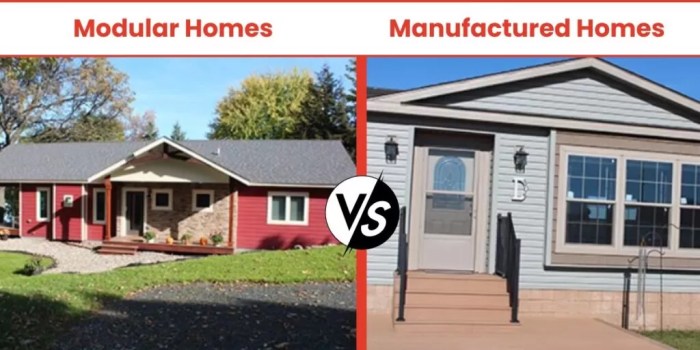
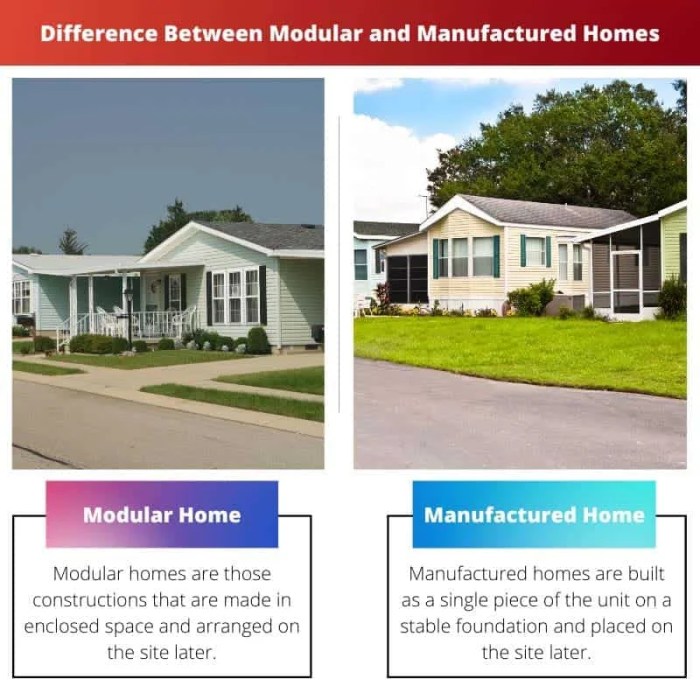
Modular homes are built in sections or modules in a factory setting, then transported to the site for final assembly. This construction process differs from traditional custom-built homes in several aspects.
Construction Process of Modular Homes
Modular homes are constructed in a controlled factory environment, which allows for greater precision and efficiency. The process involves designing the modules, constructing them in the factory, transporting them to the site, and assembling them into a complete home. This streamlined process reduces construction time significantly compared to traditional on-site building.
Cost Differences Between Modular and Custom-Built Homes
One of the key advantages of modular homes is their cost-effectiveness. Since the construction process is more efficient and less labor-intensive, modular homes tend to be more affordable than custom-built homes. The upfront costs of modular homes are generally lower, making them an attractive option for budget-conscious homeowners.
Advantages of Modular Homes
Efficiency
Modular homes are built quickly and efficiently in a factory setting, reducing construction time and costs.
Speed of Construction
The controlled environment of a factory allows for simultaneous work on different modules, speeding up the overall construction process.
Quality Control
The quality of modular homes is often higher due to the precision and consistency of factory construction processes.
Eco-Friendly
Modular homes produce less waste during construction and are often more energy-efficient than traditional homes.
Design and Customization
When it comes to design and customization, custom-built homes offer a level of flexibility and creativity that modular homes may not be able to match. While modular homes are built using pre-designed modules that limit customization options, custom-built homes allow homeowners to create a unique space tailored to their specific needs and preferences.
Design Limitations of Modular Homes
- Modular homes are built using pre-designed modules, which can limit the flexibility in design options.
- Customization choices for modular homes are often restricted to a predefined set of options, limiting the ability to create a truly unique living space.
- Architectural details and design elements may be standardized in modular homes, leading to a more uniform appearance compared to custom-built homes.
Unique Design Elements in Custom-Built Homes
- Custom-built homes offer the opportunity to incorporate unique architectural features such as curved walls, skylights, or custom millwork.
- Homeowners can work closely with architects and designers to create a layout that maximizes natural light, views, and spatial flow.
- Personalized finishes and materials can be chosen to reflect the homeowner's style and taste, adding a distinct character to the home.
Impact of Customization on Aesthetics and Functionality
- Customization options in custom-built homes can greatly impact the overall aesthetics, allowing for a one-of-a-kind appearance that reflects the homeowner's personality.
- Functional aspects such as storage solutions, room layouts, and energy-efficient features can be tailored to meet the specific needs of the homeowner.
- By customizing the design, homeowners can create a space that not only looks beautiful but also functions seamlessly for their lifestyle.
Quality and Durability
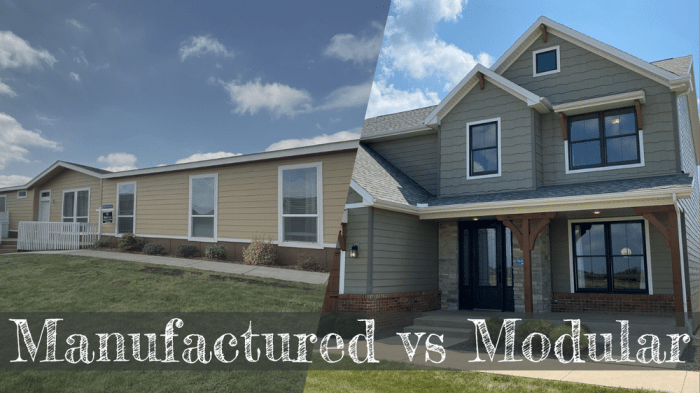
When it comes to the quality and durability of custom-built homes versus modular homes, there are significant differences that can impact the longevity and maintenance requirements of each type of home.
Quality of Materials
In custom-built homes, the quality of materials used is often higher compared to modular homes. Custom builders have the flexibility to choose premium materials that meet specific standards and preferences of the homeowner. This can result in a higher quality finish and overall construction.On the other hand, modular homes are constructed in a factory setting, where materials are typically standardized and may not be of the same quality as those used in custom-built homes.
While modular homes are designed to meet building codes and standards, the range of materials available may be more limited, impacting the overall quality of the home.
Construction Methods and Durability
The construction methods used in custom-built homes often involve traditional on-site building techniques, allowing for greater attention to detail and customization. This hands-on approach can result in a more durable structure that is tailored to the homeowner's needs and preferences.In contrast, modular homes are built in a controlled factory environment, where construction processes are more standardized.
While this can lead to faster construction times, the durability of modular homes may be affected by transportation and assembly. However, advancements in modular construction techniques have improved the overall durability of these homes in recent years.
Long-Term Maintenance Requirements
Custom-built homes typically require regular maintenance to upkeep the quality of materials and finishes. Homeowners may need to invest in repairs and renovations over time to ensure the longevity of the home. However, the use of high-quality materials and craftsmanship can contribute to a longer lifespan with proper maintenance.Modular homes, on the other hand, may have lower long-term maintenance requirements due to the standardized construction process and materials used.
While modular homes may still require maintenance like any other home, the overall durability and construction quality can impact the frequency and extent of maintenance needed in the long run.
Concluding Remarks
In conclusion, the debate between custom built homes and modular homes offers a fascinating insight into the world of home construction. From customization options to construction efficiency, each type of home presents its own set of advantages and considerations. Whether you prefer the flexibility of custom design or the speed of modular construction, the choice ultimately depends on your individual needs and preferences.
User Queries
Can I customize a modular home as much as a custom built home?
Modular homes offer some customization options, but they are generally more limited compared to custom built homes. Custom built homes provide more flexibility in design and personalization.
Are modular homes cheaper than custom built homes?
In general, modular homes tend to be more cost-effective than custom built homes due to the streamlined construction process and economies of scale in manufacturing.
Which type of home is more durable, custom built or modular?
Custom built homes often use higher quality materials and construction methods, making them more durable in the long run compared to modular homes.
Do custom built homes take longer to construct than modular homes?
Custom built homes usually take longer to construct due to the detailed design and construction process involved, whereas modular homes are quicker to assemble on-site.